

You’ve probably heard the term “anorexia” before, maybe in passing or even from someone close to you. It's one of the most well-known eating disorders, but what exactly does it mean? And did you know there’s a lesser-known condition called atypical anorexia that’s just as serious? Let’s talk about both and break down what they are and how they can show up in real life.

What is Anorexia Nervosa?
When someone says anorexia, most people have a very specific stereotype or image that comes to mind. I often hear people describe that as someone who “never eats” and looks significantly underweight. It will often include, but is not limited to the following key characteristics:
Intense Fear of Gaining Weight: Individuals with anorexia nervosa have an overwhelming fear of gaining weight or maintaining weight, regardless of their current or historical weight, shape, or size.
Distorted Body Image: They often have a distorted perception of their body size and shape, believing they are consuming more space or in a significantly larger body than they are actually in.
Severe Caloric Restriction: There is a persistent restriction of food intake, leading to significant health issues and in some cases, a low body weight.
Compensatory Behaviors: many individuals will compensate for food intake by exercising, purging, or taking laxatives or diet pills.
Amenorrhea: In females, the loss of menstruation, known as amenorrhea, is a common physical symptom of anorexia nervosa in the traditional sense.
Physically, the symptoms are pretty noticeable if someone is meeting the full criteria for anorexia nervosa because part of that criteria includes weight dropping below a specific benchmark that is typically visibly noticeable to others. People with anorexia also often deny how much weight they’ve lost, or they may not see their body as it actually is, believing they are bigger than they actually are. Typically their self-perception is so thwarted by the disorder that they rarely see that they are underweight or that being underweight is problematic, despite any logic others present to them.
Atypical Anorexia is More Prevalent
Atypical anorexia shares many of the same symptoms as anorexia nervosa. The difference? People with atypical anorexia don’t necessarily appear underweight. In fact, they might be at a “normal” weight or even overweight, according to standard measures like BMI. So, what does this mean? Essentially, atypical anorexia involves the same fear of gaining weight, the same restriction of food intake, and the same obsession with thinness—but the physical appearance doesn’t match what many people expect when they think of anorexia.
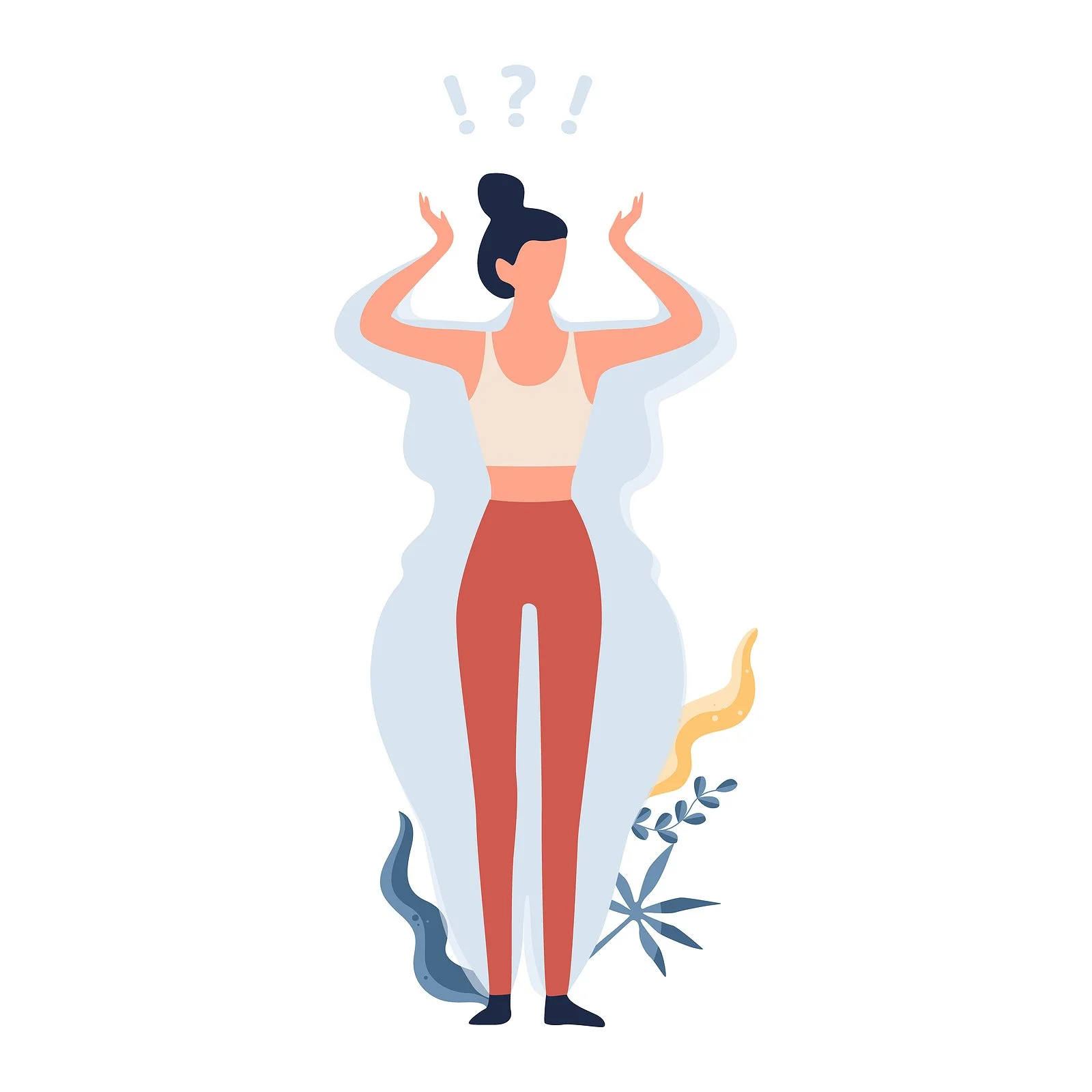
Atypical anorexia shares many of the same symptoms as anorexia nervosa. The difference? People with atypical anorexia don’t necessarily appear underweight. In fact, they might be at a “normal” weight or in a larger body that is above a standard BMI range. So, what does this mean? Essentially, atypical anorexia involves the same fear of gaining or maintaining weight, the same restriction of food intake, the same compensatory behaviors, and the same obsession with thinness—but the physical appearance doesn’t match what many people expect when they think of anorexia.
This can make atypical anorexia even harder to spot. Sometimes, because the person doesn’t “look sick,” their struggles can be dismissed, even by medical professionals. Friends, family, and even the person themselves might overlook the signs because of the misconception that you have to be thin to have an eating disorder. But the reality is that the mental and emotional toll is just as serious, regardless of what the body looks like.
How Does it Feel to Have These Disorders?
If you’re reading this and something feels familiar, I want to acknowledge how tough it can be to recognize that something might be wrong. Maybe you’ve been dealing with obsessive thoughts about food or your weight, or perhaps you find yourself cutting back on how much you eat without realizing it. Sometimes, it’s not just about skipping meals, but also about feeling guilty or anxious after eating. Maybe you even over-exercise or purge to “make up for” eating, or you feel like you can never allow yourself to fully relax when it comes to food.
The thing is, anorexia and atypical anorexia often don’t start all at once. They can creep in slowly, and before you know it, these thoughts and behaviors become a part of your daily life. You might think, “I’m just being healthy” or “I’m just trying to stay in shape,” but when those actions are driven by fear, guilt, or shame, it’s worth asking yourself whether you’ve crossed a line.
The Emotional Side
Both anorexia nervosa and atypical anorexia are driven by more than just a desire to be thin. Often, they’re linked to deeper emotional struggles like anxiety, depression, or unrealistic self-expectations paired with a very strong inner critic. Maybe life feels overwhelming, and focusing on food and weight seems like a way to gain control or sidestep the emotions you want to quiet. Or maybe it’s a way to try to feel “good enough” in a world that makes us all feel like we need to be perfect.
It’s also not uncommon for these disorders to be fueled by external pressure, whether it’s from society, social media, or even well-meaning comments from friends or family. We live in a world that glorifies thinness/weight loss and places so much value on how we look, it’s easy to see how someone could start to feel like their worth is tied to their weight. But it’s so important to remember that your value doesn’t come from a number on a scale.
Why It’s Hard to Seek Help
One of the biggest challenges of dealing with anorexia, atypical or otherwise, is that it’s often hard to see the problem for what it is. You might think, “I’m not thin enough to have an eating disorder,” or “I’m just trying to be healthy.” Maybe you even feel proud of how disciplined you’ve been when it comes to restricting your food intake.
But these disorders thrive in secrecy. The more you keep it to yourself, the stronger the grip it can have on you. And because it can be so difficult to admit that something might be wrong, it’s common for people to avoid seeking help until things feel unbearable.

If you’re reading this and thinking, “This sounds a little like me,” it’s okay to feel uncertain. Maybe you’re not sure if you need help or if what you’re dealing with is “serious enough.” But let me tell you—your feelings and experiences matter. You don’t need to reach a certain level of thinness or struggle before you deserve support. If food, weight, or body image are causing you distress, that’s reason enough to reach out for help.
If any of this resonates with you, I want you to know that you’re not alone, and you’re not beyond help. Whether you’re dealing with anorexia nervosa, atypical anorexia, or just disordered eating, your struggles are valid, and you deserve support. Healing takes time, but it’s possible. You are more than your body, more than your weight, and more than any fear or shame that might be keeping you stuck.
Start Eating Disorder Treatment in Salt Lake City, UT, and Across the State!
Take the first step today. Reach out for help. Our team has over 20 years of eating disorder treatment experience. We can help you start to feel like yourself again. We serve Provo, SLC, Ogden, Logan, and any part of Utah. Start your therapy journey with Inside Wellness by following these simple steps:
Reach out to us about scheduling a free 15-minute phone consultation.
Learn more about our services and our team.
Start receiving the support you deserve!
Other Services Offered with Inside Wellness
Eating disorder treatment isn’t the only service that our team offers support with. We know that you may experience more than one mental health concern, which is why we are happy to offer support with body image counseling, and anxiety treatment. Services are offered with both in-person and online therapy options. You can learn more by visiting our FAQ or blog page today!