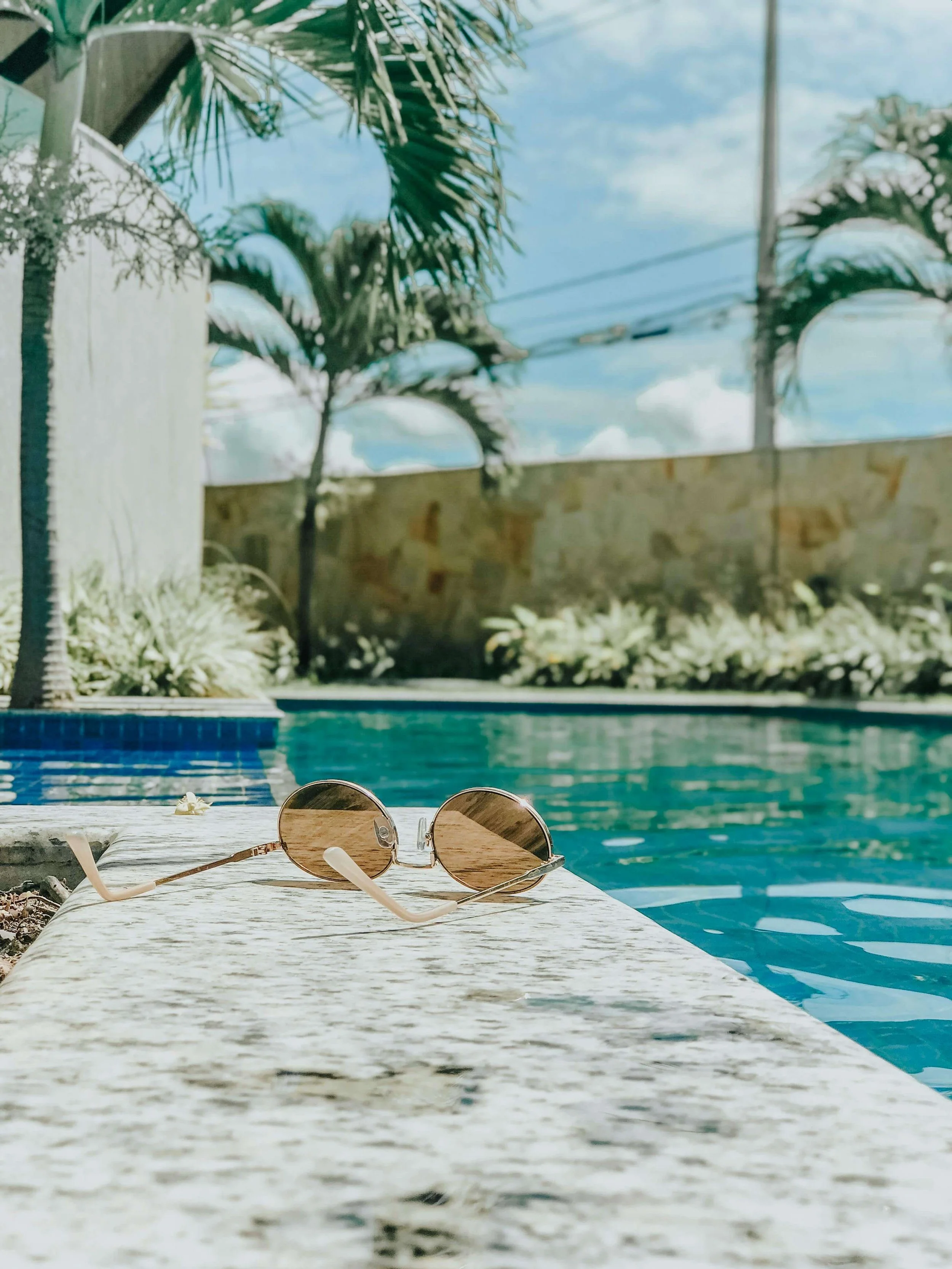
Spending a full day at the pool with friends can sound like something you should be able to enjoy without a second thought. But in early eating disorder recovery, even simple plans can feel layered with anxiety. Especially when food, body image, and social dynamics all collide in one setting. If you're navigating that, body image counseling in Salt Lake City can help you build the tools to show up anyway.
If you’re feeling worried about following your treatment team’s recommendation to eat regular meals while you’re out with friends, I want you to know this: your concern makes sense. You’re not doing anything wrong by feeling this way. You’re doing something brave by even considering showing up differently than your eating disorder would prefer.
Recovery often asks you to do things that feel uncomfortable before they feel natural. Before it feels natural, normal or safe.
Why Your Meal Plan Still Matters (Even at the Pool)

Your treatment team didn’t create your meal plan for “easy days only.” They created it to support your physical healing, stabilize your metabolism, and help your brain reconnect with hunger and fullness cues. That doesn’t pause just because you’re in a social setting.
In fact, these are the moments where following your plan matters most. Not because you have to be perfect, but because you’re practicing living your life without letting the eating disorder make the rules.
It might feel uncomfortable to eat a full meal when your friends are just snacking or skipping food altogether. Bodies have some basic needs, and being consistent right now is what yours needs most. You are in recovery. You are rebuilding something important. Your body is learning to trust you and trust takes consistency & reliability.
Your friends bodies have similar needs to be fed & fueled but how they go about that may have more flexibility if they have a pattern of taking care of it overall. Your body will panic hardcore if it fears you are going to deny it as your ED had you do in the past, so for now, consistency trumps flexibility. Also, the vast majority of people who have a healthy relationship with food will also be fueling their body often as well.
“What If People Notice?”
This is one of the most common fears: What if people think it’s weird that I’m eating? What if they judge me?
Let’s gently reality-check that.
Most people are far more focused on themselves than we imagine. They’re thinking about what they’re posting on Instagram, or whether they remembered sunscreen, etc. . The spotlight you feel on yourself is likely your fear based brain working on overdrive, which is what it loves to do, especially when we are self-conscious or we are doing something new.
And even if someone does notice? Eating a meal is a normal, human behavior. You are allowed to nourish yourself. You don’t need to earn that right by matching anyone else’s habits. Or by matching patterns they’ve seen you do in the past that were tied to your eating disorder.
A helpful reframe: “I’m not doing something scary which doesn’t mean it’s bad, even if my ED says otherwise.”
Body Image at the Pool: A Tender Space

Pools can be particularly triggering environments. There’s often more body exposure, comparison, and vulnerability. It’s okay if your body image distress feels louder here. Working with a body image therapist in Salt Lake City can help you build tools for exactly these moments.
Instead of trying to force yourself to “love your body” in that moment (which can feel unrealistic), try aiming for something more neutral and grounded:
“All bodies are allowed to exist here.”
“I don’t have to like how I look right now in order to be with my friends.”
“This body is getting me through recovery even though it feels really hard today.”
You are not a before-and-after photo. You are a person having a day with friends.
Practical Tips for Navigating the Day
1. Plan Ahead (Without Overplanning)
Know roughly when you’ll eat your meals and snacks, and what that might look like. Bring food if needed, or look up nearby options ahead of time. This reduces decision fatigue in the moment.
2. Normalize Eating Through Action
The more you follow through on eating regularly, the more your brain learns that it’s safe. You don’t have to feel confident first. Confidence often comes after the action. And people follow your lead. If someone said that they were hungry earlier than the group, would you hold any negative feelings about it? I’m guessing you wouldn’t think twice about it, so trust that others can feel the same.
3. Have a Gentle Script Ready
If someone comments (even casually), you can keep it simple:
“I’m just making sure I stay energized today.”
“I realized I feel better when I eat regularly.”
“I’m stepping into my eat-before-I’m-hangry-era”
You don’t owe anyone a deeper explanation but since we all want to be understood, it’s okay if feel the need to speak to it in the moment. .
4. Anchor Yourself to Your “Why”
Before you go, remind yourself why recovery matters to you. Maybe it’s having more energy, thinking more clearly, being present with people you care about, or reclaiming your life from food rules. Keep that reason close.
5. Use Grounding Techniques When Anxiety Spikes
If you feel overwhelmed, try:
Naming 5 things you can see, 4 things you can feel, 3 things you can hear
Taking slow breaths (in for 4, out for 6)
Sitting with a trusted friend or stepping away briefly if needed
You’re allowed to take care of yourself in the moment.
6. Choose Connection Over Comparison
When you notice your mind drifting into comparison, gently redirect your attention to the people you’re with. What are they saying? What are you laughing about? What do you enjoy about their presence?
Recovery is about expanding your life. This requires expanding your skills sets with caring for your body in different ways that what you learned from diet culture and in the eating disorder.
A Final Thought

You don’t have to do this perfectly. You just have to do it honestly. Every time you choose to nourish your body in a situation where your eating disorder would rather you didn’t, you are strengthening something new inside yourself. Something quieter, steadier, and ultimately more powerful.
You deserve to be at the pool.
You deserve to eat your meals.
You deserve to take up space. Just as you are, right now.
And if you need support getting there, body image counseling in Salt Lake City is here to help. And this day? It’s not a test you have to pass. It’s simply a moment in your recovery where you get to practice choosing yourself. Recovery is no joke, it requires many risks, many moments of failure, many struggles, but it DOES get easier the more you practice it.
A Note on Recovery, Hard Days, and Body Image Counseling in Salt Lake City
Recovery is not a straight line. Pool days, summer gatherings, and all the noise that comes with them can make that feel more true than ever. If following your meal plan in social settings feels overwhelming, or if body image distress is louder than usual right now, that's not a setback. It's a sign that you're doing something genuinely hard. And you don't have to do it alone.
Every time you choose to nourish yourself when your eating disorder would rather you didn't, you're building something real. Some days that feels empowering. Some days it just feels like survival. Both count. Both are recovery.
If you're struggling to show up for yourself this summer, at the pool, at the table, or anywhere in between, you deserve more than just white-knuckling through it. Body image counseling in Salt Lake City can offer real, grounded support from people who understand what this actually takes.
At Inside Wellness, we're here to help you get there.
We are here to help — give us a call 801-699-6161 or visit us at insidewellness.com
Learn more about working with a Body Image Therapist in Salt Lake City, UT
You don't have to navigate recovery alone — support is closer than you think.
Other Services Inside Wellness Offers in Provo and Salt Lake City, UT
Eating disorder recovery rarely happens in a vacuum. It's often tangled up with body image distress, anxiety, perfectionism, and the pressure to keep it all together in social situations that feel anything but simple. At Inside Wellness, we offer more than body image counseling in Salt Lake City. Alongside working with a body image therapist in Salt Lake City, UT, we provide eating disorder treatment, anxiety therapy, support for perfectionism, online therapy, and therapy for burnout, all designed to support the deeper work that recovery actually requires.
Whether you're navigating meal plan anxiety in social settings, working through body image distress, or simply trying to find steadier ground in your recovery, our team is here to help. You don't have to keep pushing through alone. With the right support, recovery gets to be something more than survival. It gets to be your life.
Visit our blog or FAQ to learn more about how therapy can support your recovery and help you find your way back to yourself.