If you've been thinking about reaching out for help with an eating disorder, you may be wondering whether online therapy is actually effective. Can meaningful healing happen through a computer screen? Will your therapist really understand what you're experiencing? Is virtual treatment as helpful as sitting together in an office?
These are thoughtful questions, and you're certainly not alone in asking them.
The good news is that for many people, online eating disorder therapy in Utah is not simply a convenient option; it's an incredibly effective one. In recent years, virtual therapy has made specialized eating disorder treatment accessible to people who may have otherwise gone without care because of distance, transportation, scheduling challenges, or a lack of local providers.
As an eating disorder specialist, I've had the privilege of watching clients make remarkable progress through virtual therapy. While online treatment isn't the right fit for everyone, it has opened doors for countless individuals seeking compassionate, evidence-based care.
Let's explore some of the reasons why.
Specialized Care Shouldn't Depend on Your ZIP Code

Eating disorders are complex mental health conditions that require specialized treatment. It’s similar to the medical system. You see your primary care provider for basic things, and you see a specialist for specific symptoms; the same is true for therapy.
Unfortunately, not every community has therapists with advanced training in eating disorders. And not everyone has the means to get themselves to a therapist's office. College students, for example, may not have a car or time to leave campus and drive 20 minutes to see someone in person.
That's one of the greatest benefits of eating disorder therapy online in Utah.
Whether you live in Salt Lake City, Provo, Logan, St. George, Moab, Cedar City, Vernal, or a small rural community, virtual therapy allows you to work with a clinician whose expertise matches your needs, not simply the closest available therapist.
Instead of settling for convenience alone, you can prioritize specialized care.
Therapy Happens Where Real Life Happens
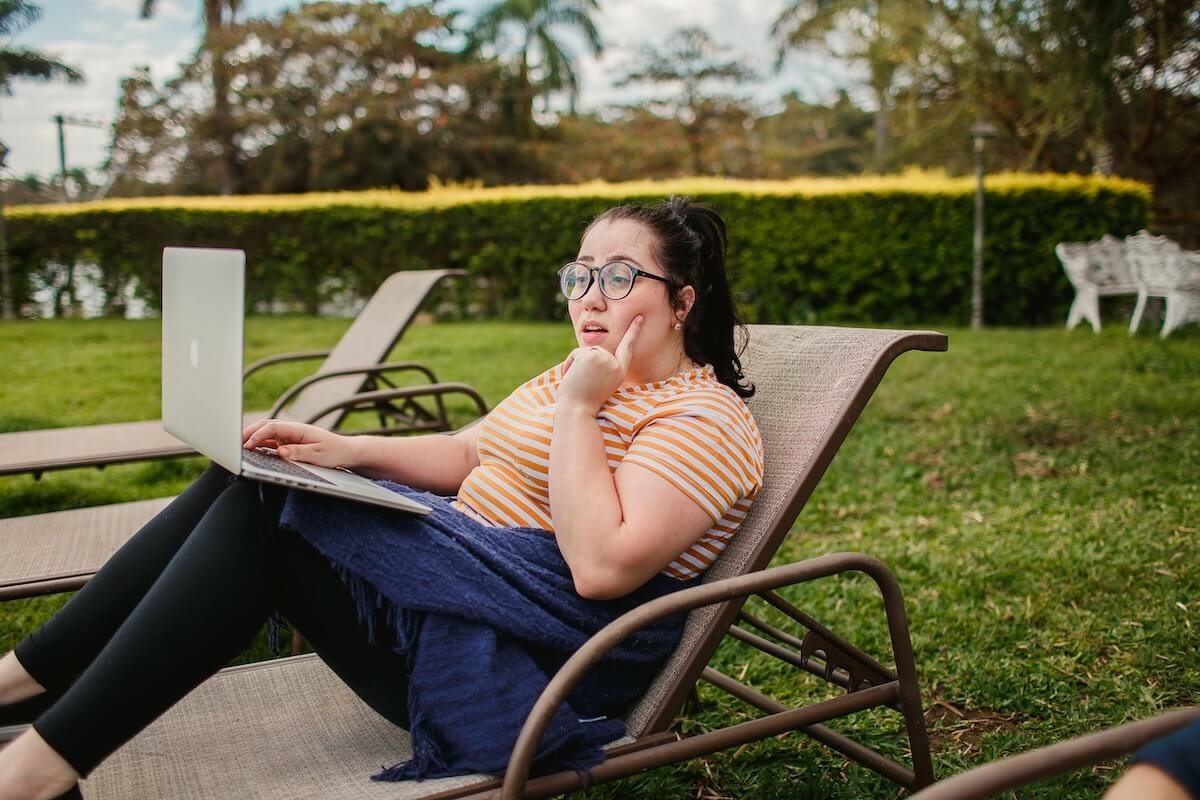
One unexpected benefit of online therapy is that healing occurs in your everyday environment.
Traditional office therapy certainly has many advantages, but virtual sessions allow your therapist to understand your life in a different way.
You might attend therapy from your living room, your college apartment, or even a quiet office during your lunch break.
Practicing skills in the actual environment during the session can lead to better success outside of the session.
Sometimes they talk about family interactions while sitting in the very environment where those interactions occur.
Rather than separating therapy from daily life, online sessions often help clients practice new coping skills exactly where they'll need them most.
More Flexibility Means More Consistent Care
Recovery requires consistency.
Yet life is often busy.
Between work, school, parenting, medical appointments, and everyday responsibilities, driving across town for therapy isn't always realistic.
Online therapy removes many of those barriers.
Without commuting, clients often find it easier to keep appointments and stay engaged in treatment.
Some people find that sharing over a screen feels less vulnerable or that they are more relaxed in their own environment than in an office setting or a traditional therapy setting.
For college students, parents of young children, healthcare professionals, and individuals with demanding careers, this flexibility can make the difference between postponing treatment and actually beginning recovery.
Healing Can Feel More Comfortable at Home
Starting therapy is vulnerable.
Talking about food, body image, shame, or eating disorder behaviors isn't easy.
Many clients tell me they feel more relaxed in familiar surroundings.
Wrapped in a favorite blanket.
Sitting with a comforting pet nearby.
These small comforts can make difficult conversations feel just a little more manageable.
When people feel emotionally safer, they are often able to be more open, honest, and engaged in therapy.
Recovery Is About the Relationship, Not the Room

Some people worry that therapy won't feel as personal through a screen.
In reality, one of the strongest predictors of successful therapy isn't whether sessions happen online or in person.
It's the therapeutic relationship. And the skillset of the clinician.
Feeling understood.
Feeling accepted.
Feeling challenged in compassionate ways.
Feeling safe enough to be honest.
These qualities can absolutely develop through virtual therapy.
While the technology may look different, meaningful connection doesn't disappear simply because two people aren't sitting in the same office.
Virtual Therapy Makes Specialized Support More Accessible
Eating disorders rarely affect just one part of life.
Clients often benefit from working with multiple professionals, including an eating disorder therapist, registered dietitian, physician, and psychiatrist.
Virtual care often makes coordinating this support easier.
Whether your medical provider is local or your dietitian practices elsewhere in Utah, online treatment can help create a collaborative approach that supports your recovery from multiple angles.
Is Online Therapy Effective?
Research continues to show encouraging results for telehealth treatment across many mental health conditions, including eating disorders.
When clients are medically stable and appropriate for outpatient care, virtual therapy can be just as meaningful as in-person treatment for many individuals.
The most important factor isn't the screen.
It's receiving evidence-based treatment from someone with specialized training who understands eating disorders and creates a personalized treatment plan.
When Online Therapy Might Not Be the Best Fit
While I believe deeply in the benefits of virtual care, it's equally important to recognize that online eating disorder therapy in Utah isn't the right fit for everyone.
Some individuals need the structure and support that in-person treatment provides. Others may be medically unstable, require a higher level of care, or benefit from the accountability that comes with face-to-face appointments.
There are also practical considerations. Some people don't have access to a private space for therapy, struggle with reliable internet, or simply feel more comfortable connecting in person.
And that's okay.
There is no "right" way to receive therapy. The goal is finding the setting that gives you the greatest opportunity to heal.
Helping You Find the Right Fit
One of the values of our practice is that we don't believe every person is best served by us.
If you're looking for an eating disorder therapist in Salt Lake City, Provo, or another community throughout Utah and believe in-person therapy would be a better fit, we're happy to help connect you with trusted providers whenever possible.
Recovery works best when you feel safe, supported, and confident in your treatment.
Sometimes that means virtual therapy.
Sometimes that means sitting across from a therapist in an office.
Both paths are valid.
Our goal is simply to help you find the care that best meets your needs.
Taking the First Step

Many people spend months or even years wondering whether they should ask for help.
They tell themselves they're "not sick enough."
They hope things will improve on their own.
Or they wait until life feels less busy.
Unfortunately, eating disorders rarely improve in isolation.
Seeking help isn't a sign that you've failed.
It's a sign that you're ready to stop letting the eating disorder make decisions about your life.
Whether you choose in-person therapy or eating disorder therapy online in Utah, the most important step is simply reaching out.
You don't have to have everything figured out before making that first phone call.
You don't need the perfect words.
You don't even need to know exactly what recovery will look like.
You simply need a willingness to begin.
You Don't Have to Do This Alone. Begin Your Recovery with Online Eating Disorder Therapy in Utah
Healing from an eating disorder is about so much more than changing eating habits. It's about rebuilding trust with yourself, finding freedom from constant thoughts about food and body image, and creating a life guided by your values rather than fear.
If you're looking for an eating disorder therapist in Provo, Salt Lake City, or anywhere in Utah, compassionate, specialized care is available. Together, we can figure out whether virtual therapy is the right fit for your needs and goals. And if it isn't, we will gladly help you find an experienced eating disorder therapist who is.
Wherever your recovery begins, you deserve care that is thoughtful, evidence-based, and tailored to you. Recovery is possible — and you don't have to take the first step alone.
At Inside Wellness, we are here to help you get there.
Give us a call at 801-699-6161 or contact us to get started
Learn more about Online Eating Disorder Therapy in Utah
You don't have to have it all figured out before reaching out — we will meet you right where you are.
Other Services Inside Wellness Offers in Provo and Salt Lake City, UT
Eating disorders rarely travel alone. They are often woven together with body image distress, anxiety, perfectionism, and the quiet weight of never feeling like enough. At Inside Wellness, we offer more than online eating disorder therapy in Utah. Alongside specialized eating disorder support, we provide body image therapy, anxiety therapy, support for perfectionism, in-person therapy, and therapy for burnout, all designed to support the full picture of what recovery actually requires.
Whether you are just beginning to consider reaching out, looking for a therapist who truly understands eating disorders, or trying to figure out whether virtual or in-person care is the right fit, our team is here to help. You do not have to keep waiting until things get worse to ask for support. With the right care, recovery becomes something more than surviving. It becomes your life.
Visit our blog or FAQ to learn more about how therapy can support your recovery and help you find your way back to yourself.